
Healthcare management

RIGOROUS SYSTEMS TO PROTECT HEALTH
Strong health systems are essential for community wellbeing, economic strength, and societal resilience. The Healthy Humanity Blueprint presents a comprehensive vision where prevention, proactive care, self-management, and therapeutics are available to every citizen, at every life stage. Global transformations in health policy, investment, and science are enabling a recalibration: from reactive treatment of illness to lifelong health stewardship, integrating preventive care, innovative support services, equity in mental wellbeing, and the latest in therapeutic science.
Across communities, this means everyday actions like prenatal scans, childhood vaccinations, and tailored advice for adults. These checks and interventions form a safety net, catching risk factors early and opening the door to better outcomes for everyone.
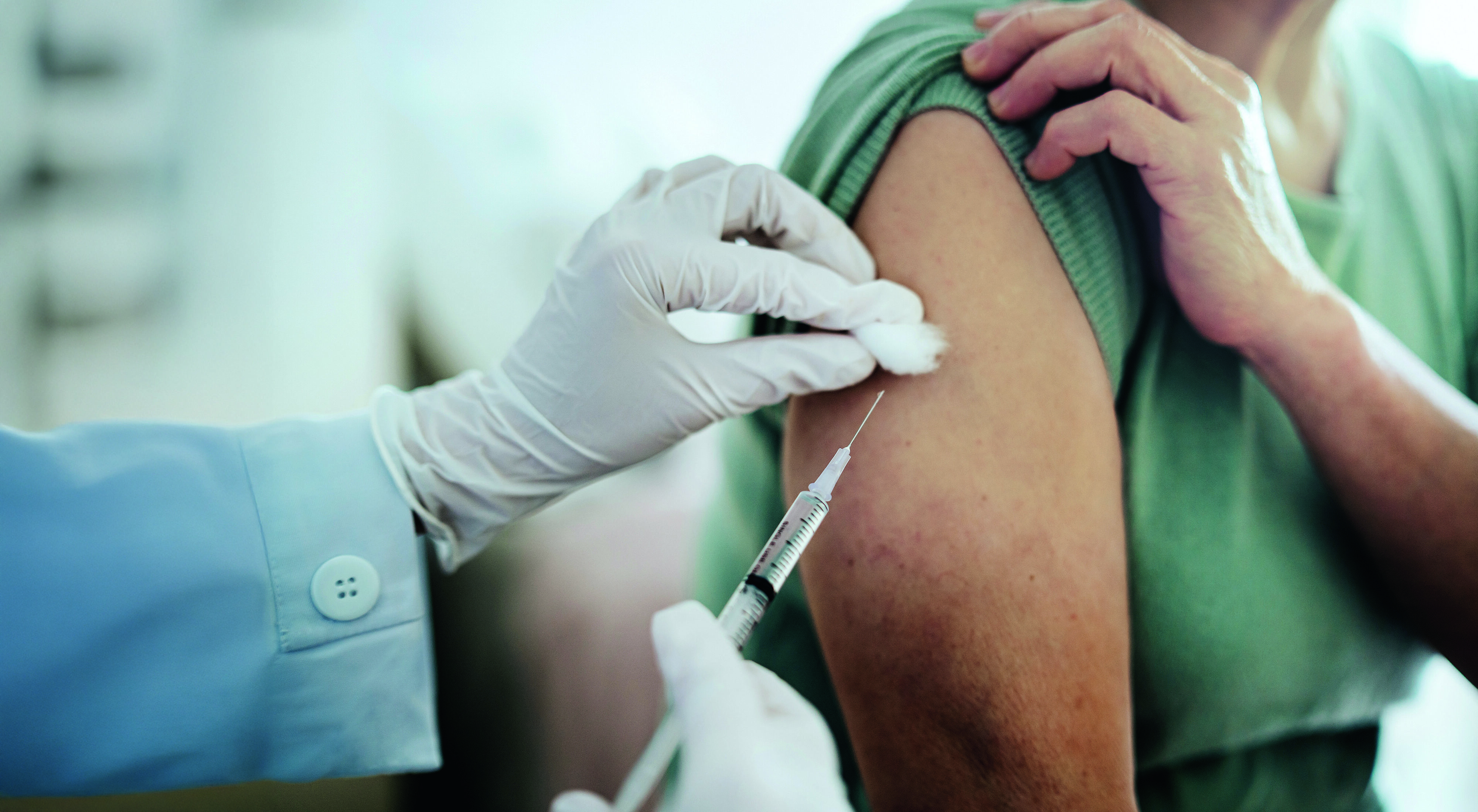
Annual immunizations and catch-up campaigns, especially for vulnerable or hard-to-reach groups, save millions of lives each year and spare families the weight of long-term illness. Schools, parents, and healthcare teams all play a part in building this shield of protection.
Smart preventive care also knows how to target its efforts. Instead of a one-size-fits-all approach, resources flow toward where they can do the most good—like Hepatitis B vaccines for frontline caregivers or catch-up shots during disease outbreaks. In today’s interconnected world, this agility is more important than ever, helping close gaps in care and fight the growing threat of drug resistance.

But health isn’t sustained by vaccines and screenings alone. Dedicated support services (community nurses, midwives, mental health counsellors) walk beside people and families on their health journey. These professionals offer advice on everything from nutrition to new parenthood to managing medications, in neighbourhood clinics, homes, or even via video call. At the heart of their work, building trust makes life-changing support possible, far beyond what medicine alone can achieve.
Physical and mental health are treated as equals in a modern vision of healthcare. Schools, offices, and clinics are weaving counselling and wellbeing services into daily life, dissolving stigma and making it okay to ask for help. Early support for anxiety, depression, or stress is proven to pay dividends, preventing deeper health problems and helping people thrive in school, at work, and at home. In many places, doctors are also prescribing “nature”—walks outside, community volunteering, or creative activities—to tackle loneliness and chronic illness; based on real evidence, these methods boost wellbeing.

For women and adults facing transitions or complex health needs, systems are responding with more targeted, holistic care. Guidance for menopause, hormone therapy, and medication management is increasingly personalized—not just about prescriptions, but about whole-life support, from lifestyle tweaks to peer groups.


