
1.1 Introduction
Lack of healthy diets have been identified as a major risk factor for chronic disease, representing the largest gap between public health guidelines and actual behaviours. The population health impact of poor nutrition is comparable to that of obesity and tobacco use.
For decades, there has been a widespread consensus that a suboptimal diet is ranked as the top risk factor for premature death and disability (measured using disability adjusted life years or DALYs) in many high- and middle-income countries, surpassing tobacco use and hypertension (Global Burden of Disease (GBD) Collaborative Network, 2019).
Notably, 2019 GBD data reported almost identical dietary risks for the low intake of whole grains, fruits, vegetables, nuts, and seeds, as for the high consumption of sodium, red and processed meats, and sugar-sweetened beverages. Together these account for ~8 million deaths annually and significantly contribute to the burden of CVD, diabetes, and certain cancers. More recently, this finding has been replicated by new work published in Nature which identifies the ‘Longevity diet’ and outlines the dietary behaviours that lead to healthy ageing into the 70s (Tessier et al., 2025).
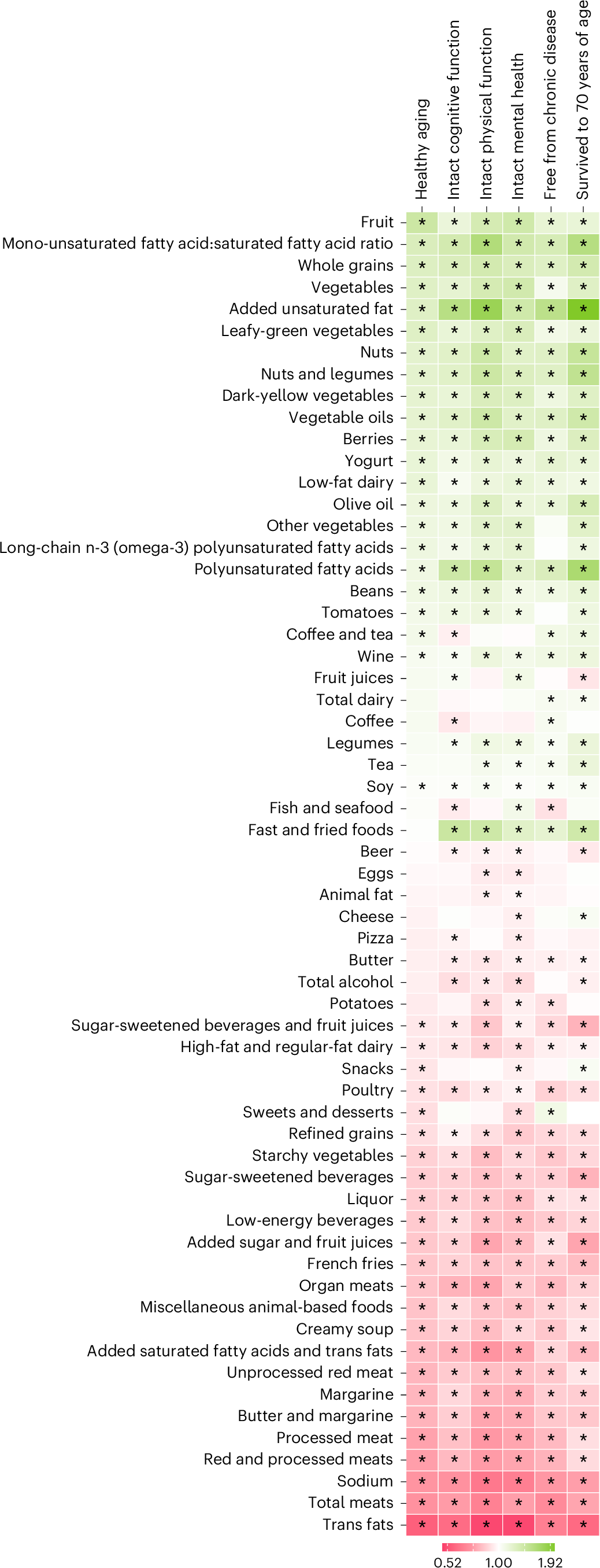
Figure 1. Dietary Behaviours and Longevity Markers Source: Tessier et al., 2025
According to the recent Healthy Longevity Survey (Wang et al, 2025), over 90% of respondents expressed a strong desire to stay healthy and independent as they age. Yet adherence to dietary recommendations, which have mainly been the same for a decade, remains very low, with less than 1 in 3 adults consuming the recommended five servings of fruits and vegetables per day, and less than 1 in 8 omitting meat from their diets in high-income countries.
Such statistics highlight the persistent intention-action gap between public health guidance and actual lifestyle behaviour. Successful transitions to more nutritious and sustainable eating patterns have proved very difficult at scale due to the enormous complexity of how people make food choices, and the tremendous influences from advertising and industry. It requires carefully developed nutrition policies rooted in scientific evidence, social realities and cultural acceptance, factoring in the role that food plays for both individuals and societies.
- 1.1 Introduction
- 1.3 Policy
- 1.3.1 Key policy interventions
- 1.4.1 Access to healthy food
- 1.4.4 Food industry practice
- 1.4.5 The food environment