
Education & upskilling

CONTINUING EDUCATION AND HEALTH ENGAGEMENT
Education and skill development are key to realising the Healthy Humanity vision—they empower people, support thriving communities, and shape adaptive economies. The Healthy Humanity Blueprint centres lifelong learning, digital skills, and health education throughout life as strategies to close gaps, boost collective wellbeing, and drive sustained economic progress. With rapid demographic change and the digital transformation of work and health, investing in comprehensive education, from early parenting support to advanced professional and technology skills, has become a foundational pillar not just for resilience but also for global competitiveness.
Education is a lifelong foundation that shapes health, resilience, and opportunity at every stage of life. It extends far beyond the classroom, supporting families, preparing young people, empowering adults, and sustaining older generations. By integrating evidence-based programs into parenting, youth development, skills training, digital literacy, and later life, societies can build healthier communities and break cycles of disadvantage.
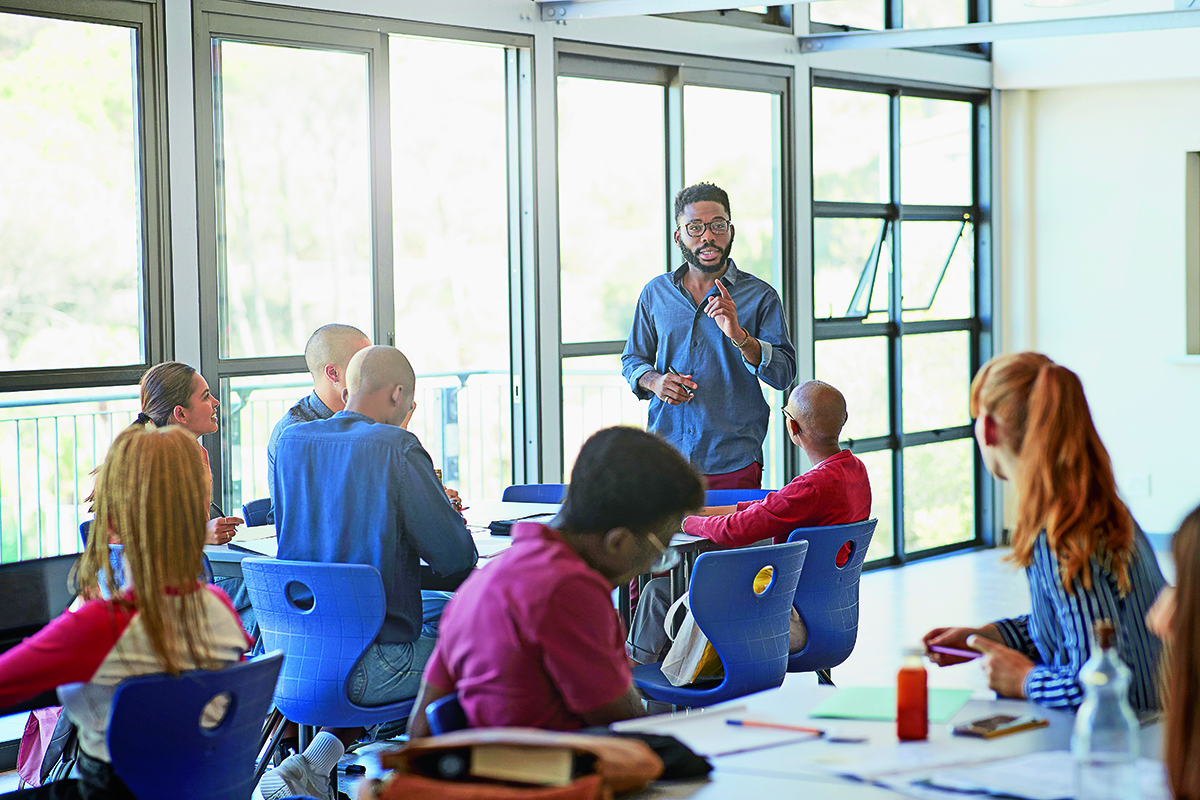
Supporting parents is the first step. The early years of a child’s life are critical, and structured parenting education helps caregivers establish routines around nutrition, sleep, activity, and stress management while avoiding harmful substances. Such programs not only improve child development and school readiness but also reduce risky behaviours in later life. When parents are supported, families become more resilient, and children are set on a path toward long-term success.
For youth, education must address more than academics. Programs that build resilience and combat bullying reduce mental health challenges and strengthen social connections. Relationship and sexual education, taught early and effectively, lowers rates of teenage pregnancy, infections, and interpersonal violence. Digital citizenship awareness equips young people to navigate risks like cyberbullying and misinformation, while career guidance bridges aspiration and achievement, improving attendance, graduation rates, and future economic mobility.
GLOBAL FINANCIAL LITERACY
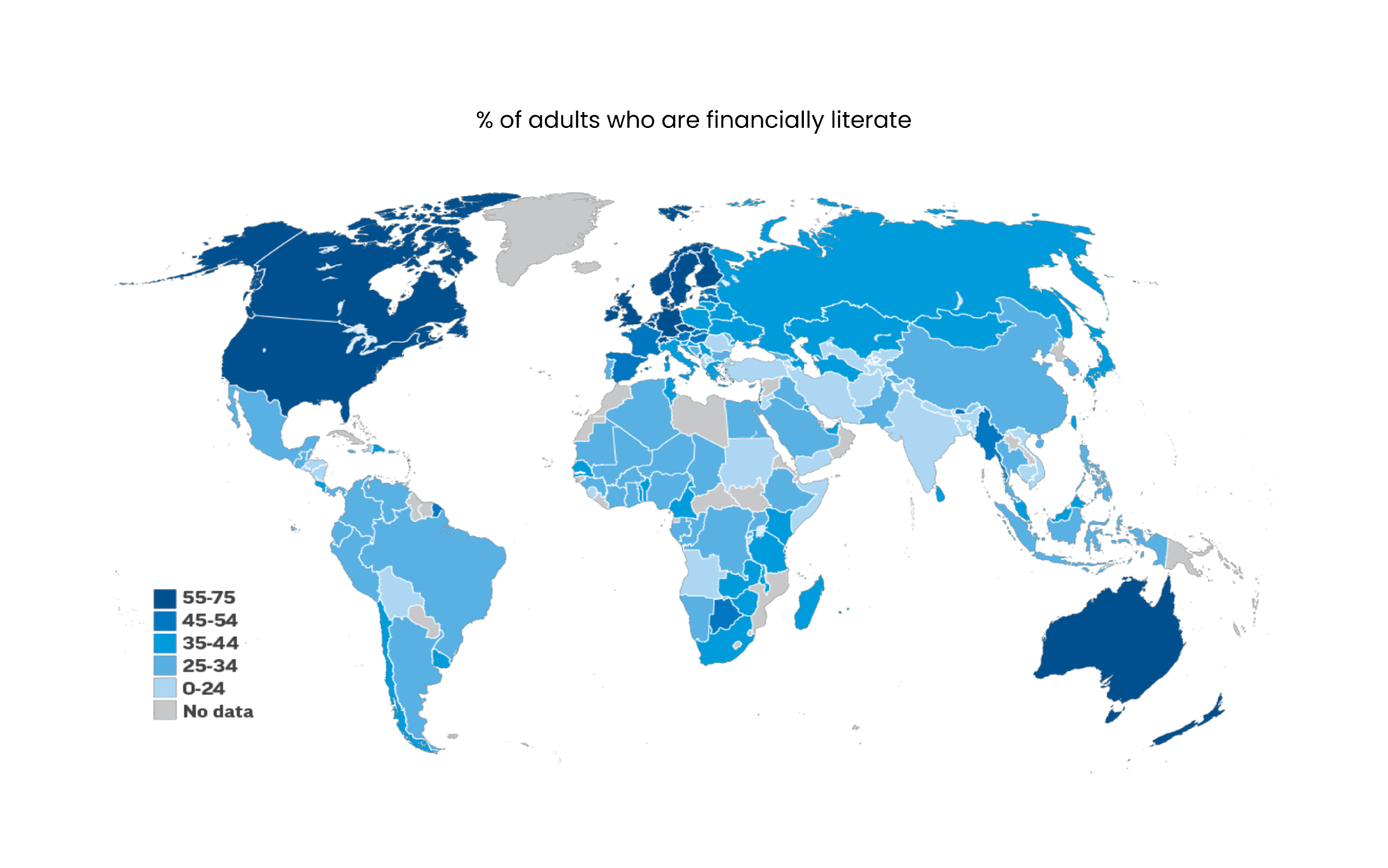
Source: The Standard & Poor’s Global Financial Literacy Survey
As individuals grow, life skills and lifelong learning remain essential. Training in financial literacy, nutrition, civic engagement, and entrepreneurship prepares people for the demands of modern society. Adult education in parenting, housing, retirement planning, and technology encourages adaptability, reduces social vulnerabilities, and promotes inclusion. Lifelong learning empowers citizens to thrive in changing economies and communities while fostering innovation and resilience.
Technology education is now indispensable. From data literacy to digital health tools and media awareness, digital training ensures people can fully participate in work, healthcare, and civic life. Public initiatives and partnerships expand access, giving disadvantaged groups the confidence to succeed in a digital world.
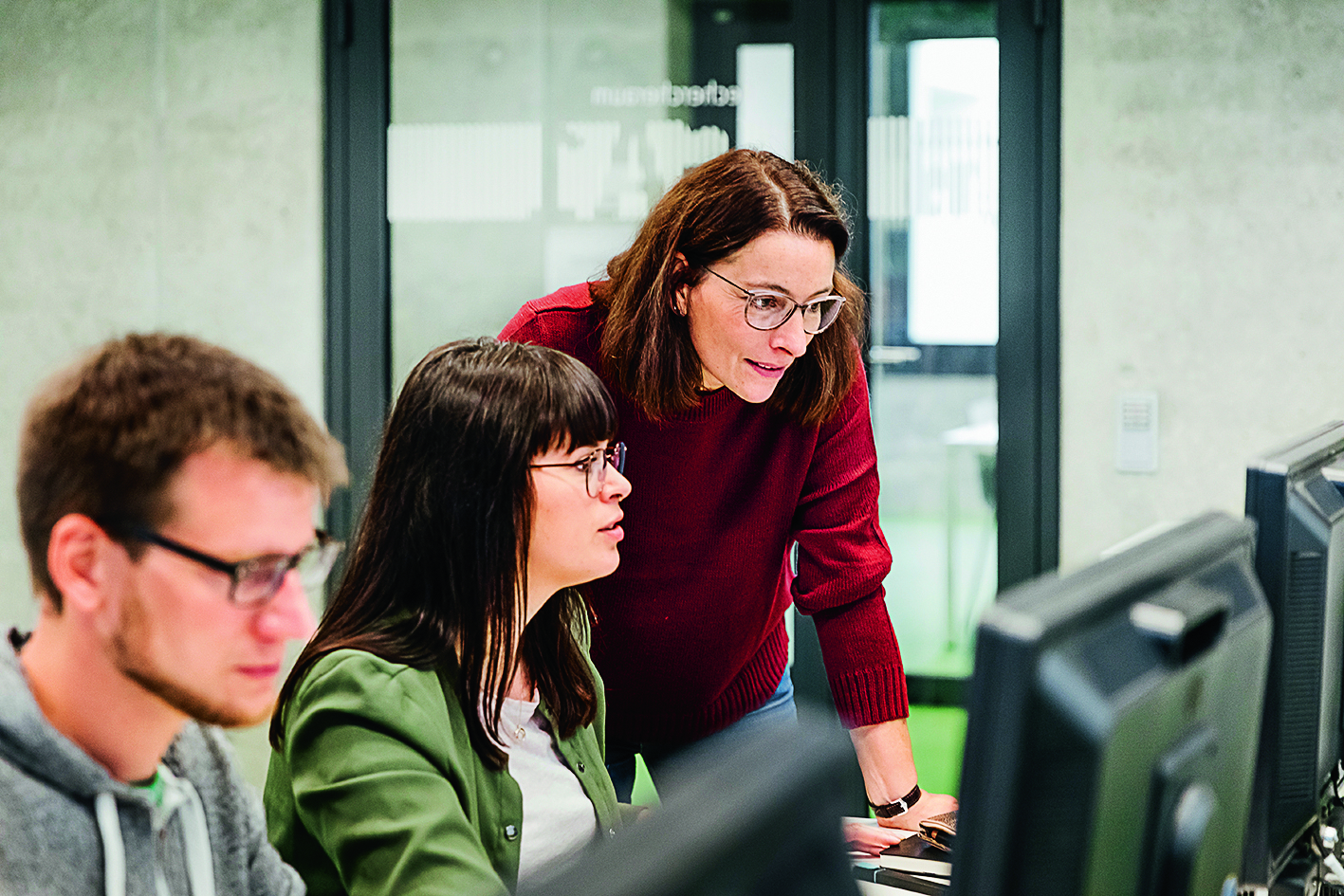
Later life learning also plays a vital role. Fall prevention programs improve safety and independence for older adults, while courses in geroscience help professionals better manage aging-related health challenges. Ongoing education combats isolation, sustains cognitive health, and supports dignity in older adulthood.
By embracing education across all life stages, societies create not only opportunity but also long-lasting wellbeing and resilience.

